
Highsfield for Bike Repair Videos: Writing a Clear Video Brief
페이지 정보
작성자 Ryder Mcgrew 작성일26-11-20 00:11 조회1회 댓글0건관련링크
본문
A visually striking draft can still miss its assignment. Independent repair shops need a clearer measure when using Highsfield to explore Seedance 2.5 video ideas. Here, a fictional brief for bike repair videos aims to communicate careful workmanship in a visual planning study. That purpose should guide every production choice. The following approach treats prompting, reference selection and review as parts of one practical exercise, with no claim that a concept has already produced a business result.
The public Highsfield workflow includes writing a scene, reviewing supported model settings and inspecting a completed result before download or sharing. That sequence is more useful than assuming a name alone defines the output. For Seedance 2.5, check the current controls at the time of use. The examples discussed below remain published reference material, and the proposed scene remains a hypothetical planning exercise rather than a record of a tested job.
Give the Brief a Visible Purpose
Consider a fictional assignment for independent repair shops. Its purpose is to communicate careful workmanship in a visual planning study. The setting is a clean workbench with one bicycle wheel in a stand, and the required visual detail is the spoke pattern and axle position. Start by choosing a single action the viewer can follow. Use generated motion to plan a shot, not to teach a mechanical repair step that has not been verified. A real technician should supply any instructional sequence, and the final demonstration should preserve correct tool use.
Turn the production goal into an observation the viewer can make. The concept should communicate careful workmanship in a visual planning study, so the key detail is the spoke pattern and axle position. Write a short sentence explaining why that detail belongs in the scene. The brief becomes stronger when each element has a role. This gives a reviewer enough context to distinguish a deliberate choice from a defect introduced during generation.
Translate the Idea Into a Seedance 2.5 Prompt
A proposed scene prompt could read: "Setting: a clean workbench with one bicycle wheel in a stand. Action: The wheel rotates slowly while the stand stays fixed. Camera: a close view parallel to the wheel. Preserve the spoke pattern and axle position. Keep the background stable and end with the subject still recognizable." This proposed prompt illustrates the assignment; it does not document a completed job. Select only input and output options the current model actually supports.
Prioritize the nouns and verbs a reviewer can verify. The scene contains a particular subject, an environment and an action; it does not need a long list of borrowed film references to become specific. Use concrete visual descriptions instead of name-dropping styles. For bike repair videos, preserve the spoke pattern and axle position and describe the wheel rotates slowly while the stand stays fixed. Those instructions make the creative intention understandable even to a teammate who did not write the prompt.
Read the brief aloud and imagine the shot without looking at a reference. Any instruction that depends on hidden context needs a more concrete description. The phrase a close view parallel to the wheel is useful only if it supports the scene’s main event. Delete an instruction that introduces an unrelated action. A concise prompt can still be detailed when its words explain observable position, movement and appearance.
Use Public References With Their Context Intact
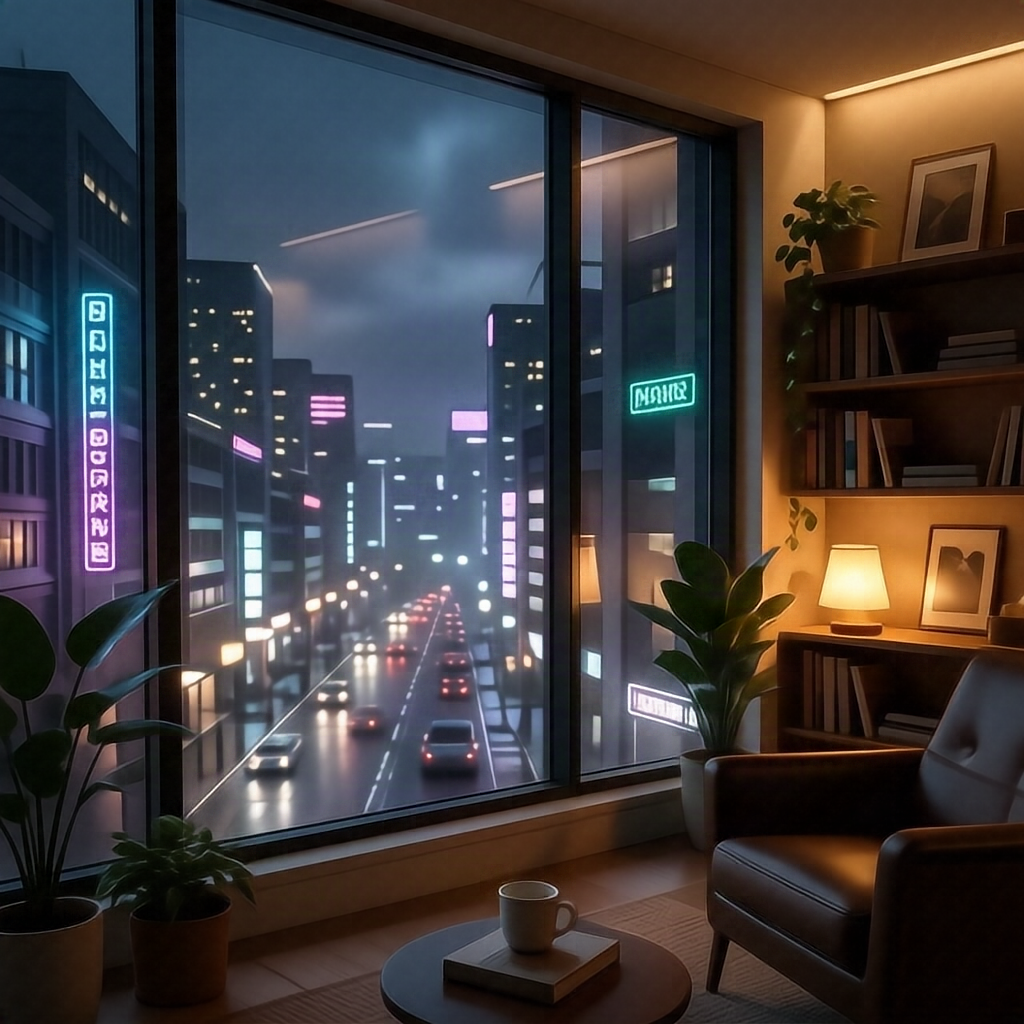 Published Highsfield visual reference: Reading room overlooking a neon city at night.
The published image shows a warmly lit reading room beside a cool city view. It is useful for studying the contrast between a stable interior and an atmospheric exterior. The reference supplies a composition, not an automatic motion instruction. Use that distinction when planning the proposed scene. This is a reference from the public site, not a newly generated result or proof of Seedance 2.5 performance.
Published doorway-portrait video example from Highsfield. Open the published video example.
The video poster shows a person visible through a narrow doorway opening. Open the clip to study how framing can establish a focal point before movement begins, then judge the moving result rather than inferring it from the poster. Its use here is as a visual reference; this article does not attribute the clip to Seedance 2.5. Inspect the full action before applying a similar framing decision. The proposed project remains a separate, hypothetical exercise.
Review the Action and Required Details
For this particular concept, follow the hub position and spoke geometry frame by frame. Reject the draft if spokes melt together or the axle drifts. That is a visible requirement rather than a general preference for a polished look. If the mismatch appears in only part of the clip, http://?utm_source=ins263 identify that moment before changing the brief. An acceptable opening frame does not excuse a subject or environment that becomes inaccurate during the intended action.
Watch the connection between the subject and its environment. Shadows, reflections, object contact and background perspective can expose an unstable scene even when the main movement looks convincing. In this example, follow the hub position and spoke geometry frame by frame. The surrounding scene should support the motion rather than contradict it. If the intended use is a mood study, some stylization may be acceptable, but that choice should be deliberate rather than a way to overlook a defect.
Compare the result with the brief one sentence at a time. Highlight the instruction that did not become visible and decide whether it needs clearer language or a smaller scene. In this exercise, that means checking the spoke pattern and axle position before refining the atmosphere. The next draft should address a named mismatch. Preserve the instructions that already worked so the team can learn from the change rather than start again blindly.
Take the Highsfield Draft Into the Final Edit
Treat the displayed credit estimate as a production input. Reserve room for revisions and judge the cost of reaching an acceptable clip rather than counting only the first attempt. For Seedance 2.5, verify the current settings in Highsfield before submission. The estimate should be checked again if a setting changes. Keep the chosen parameters with the draft so another teammate can understand the conditions under which it was created.
Maintain a distinction between the generation record and the publishing record. The first explains how the draft was requested; the second identifies the version and copy accepted for use. Keeping both records makes later edits easier to trace. For independent repair shops, place the approved scene brief beside the selected draft before editing the final caption. The final asset should carry the intended action into its destination while preserving the accurate details, source context and editorial decisions that made it suitable in the first place.
A worthwhile visual study leaves the creator with something more useful than an attractive thumbnail: a clear account of what the scene communicates. Here, the purpose is to communicate careful workmanship in a visual planning study. Use Highsfield’s Seedance 2.5 guidance to organize the exercise and verify current model options before requesting work. Keep the required details visible from beginning to end. Once the result serves the brief, careful editing can turn that study into a coherent part of the intended project.


댓글목록
등록된 댓글이 없습니다.
