
Highsfield for Forest Trail Concepts: Reviewing and Refining a Video C…
페이지 정보
작성자 Venus Hatmaker 작성일26-11-18 20:47 조회1회 댓글0건관련링크
본문
There is a difference between imagining a scene and explaining how that scene should unfold. Highsfield gives outdoor storytellers and landscape artists a place to study that difference through Seedance 2.5 workflow guidance and public examples. A hypothetical forest trail project makes the question concrete: the brief should plan an immersive environmental transition. The scene needs a beginning and an observable change. Those choices help keep an experiment grounded when an attractive first result invites premature approval.
A Highsfield guide can help organize a creative brief, while the generator supplies current options for a particular model. Those roles are different. When planning a Seedance 2.5 concept, verify accepted inputs and settings before submitting any generation request. Public examples are useful for visual analysis, but their presence on a workflow page does not prove they share the same model, settings or source material as the clip you want to create.

Set a Standard a Draft Can Fail
Consider a fictional assignment for outdoor storytellers and landscape artists. Its purpose is to plan an immersive environmental transition. The setting is a shaded forest path with a stable central opening, and the required visual detail is the central path and consistent tree trunks. Start by choosing a single action the viewer can follow. A landscape concept is useful for choosing mood and camera direction. It should not be presented as a navigational guide or a current representation of trail conditions, which require verified local information.
Before generating a draft, write a short description of an acceptable result. It should preserve the central path and consistent tree trunks and make the action understandable without extra explanation. The acceptance description should be visible in the clip. This turns review into a comparison rather than a debate about how impressive the output feels. The most attractive frame is only one part of that comparison; the whole action needs to survive playback.
Translate the Idea Into a Seedance 2.5 Prompt
A proposed scene prompt could read: "Setting: a shaded forest path with a stable central opening. Action: Leaves move gently while the path stays fixed. Camera: a slow forward move along the path. Preserve the central path and consistent tree trunks. Keep the background stable and end with the subject still recognizable." This proposed prompt illustrates the assignment; it does not document a completed job. Select only input and output options the current model actually supports.
Prioritize the nouns and verbs a reviewer can verify. The scene contains a particular subject, an environment and an action; it does not need a long list of borrowed film references to become specific. Explain the appearance directly rather than relying on a familiar franchise. For forest trail concepts, preserve the central path and consistent tree trunks and describe leaves move gently while the path stays fixed. Those instructions make the creative intention understandable even to a teammate who did not write the prompt.
Record a small number of draft comparisons that answer specific questions. One might test a simpler action; another might test a more stable viewpoint. Keep unrelated settings unchanged when possible. Changing one meaningful instruction produces clearer feedback. In this scene, observe what happens to the central path and consistent tree trunks. A better-looking result is useful evidence only when the reviewer can explain which production requirement it satisfies more convincingly than the previous draft.
Study Published Images and Video Examples
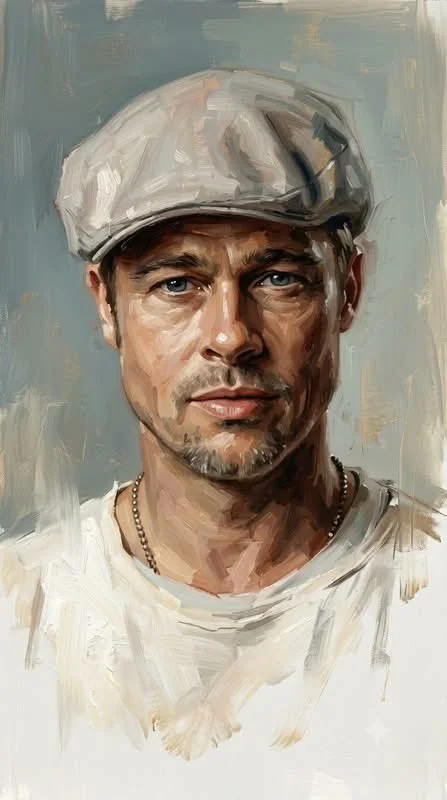 Published Highsfield visual reference: Expressive painted portrait with visible brushwork.
The published image shows a painted portrait with visible surface texture. It is useful for studying selecting a few appearance anchors instead of requesting an undefined overall look. A still establishes appearance, file[https://spy.chaoniulian.com/DeeplinkBot/api/618/rss-feed/?source=RankerX&tier=T1&subCountLess=8&online=true&group=auto104] while movement needs its own brief. Use that distinction when planning the proposed scene. This is a reference from the public site, not a newly generated result or proof of Seedance 2.5 performance.
Cinema Verite in 1970s Paris; published Seedance 2.0 example. Open the published video example.
The video poster shows a person beside a flower display. Open the clip to study the relationship between a subject, a setting and a restrained viewpoint, then judge the moving result rather than inferring it from the poster. This example is labeled Seedance 2.0 on the homepage, so it should not be presented as a Seedance 2.5 result. Compare the opening and ending before borrowing a camera idea. The proposed project remains a separate, hypothetical exercise.
Check the Clip Against the Actual Assignment
For this particular concept, check the route through the frame and the stability of landmarks. Reject the draft if the path folds or tree trunks merge. That is a visible requirement rather than a general preference for a polished look. If the mismatch appears in only part of the clip, identify that moment before changing the brief. An acceptable opening frame does not excuse a subject or environment that becomes inaccurate during the intended action.
Review at the size where the final audience will see the work. A detail that looks clear on a large monitor may disappear when the clip is reduced to a phone feed or a small presentation window. The delivery size is part of the creative test. Check the central path and consistent tree trunks at that scale and make sure any later caption does not cover the action. A technical export size alone does not prove the scene is readable.
Invite a reviewer who knows the assignment but has not seen the generation history. Their role is to check whether the chosen result solves the task, rather than reward the amount of effort already spent. A fresh review can expose a defect the creator has learned to overlook. Keep the required detail visible in the brief, and ask the reviewer to explain any mismatch through the actual frames.
Take the Highsfield Draft Into the Final Edit
A reference upload is a technical and editorial choice. Confirm that the current Highsfield model accepts the input type, and use material you are permitted to upload. A public image does not automatically grant reuse rights. Choose a reference because it explains the desired subject or composition. Keep a record of its origin so the final review can distinguish an approved source from a convenient but unsuitable image.
Maintain a distinction between the generation record and the publishing record. The first explains how the draft was requested; the second identifies the version and copy accepted for use. Keeping both records makes later edits easier to trace. For outdoor storytellers and landscape artists, save the chosen draft with its review notes and make the final edit from that approved version. The final asset should carry the intended action into its destination while preserving the accurate details, source context and editorial decisions that made it suitable in the first place.
The point of this forest trail exercise is to plan an immersive environmental transition with a scene that another person can understand and review. Highsfield’s Seedance 2.5 guidance provides a starting framework, while the actual generator defines current technical options. A focused brief should make both success and failure observable. If the draft preserves the central path and consistent tree trunks and completes the intended action, it can move into editing with a clear reason for being there.


댓글목록
등록된 댓글이 없습니다.
