
Highsfield Wedding Mood Concepts: A Practical Method for Testing a Vid…
페이지 정보
작성자 Mandy 작성일26-11-16 13:35 조회1회 댓글0건관련링크
본문
Before writing a video prompt, decide what a viewer should notice first. That decision matters for event designers and couples planning original projects researching Highsfield and Seedance 2.5. The example here uses wedding mood concepts to explore a decorative mood before final arrangements are selected. Defining the focal point simplifies the rest of the brief. It also makes review more concrete: a draft can be assessed against its purpose instead of being accepted simply because the lighting, background or movement looks impressive.

The public Highsfield workflow includes writing a scene, reviewing supported model settings and inspecting a completed result before download or sharing. That sequence is more useful than assuming a name alone defines the output. For Seedance 2.5, check the current controls at the time of use. The examples discussed below remain published reference material, and the proposed scene remains a hypothetical planning exercise rather than a record of a tested job.
Set a Standard a Draft Can Fail
Consider a fictional assignment for event designers and couples planning original projects. Its purpose is to explore a decorative mood before final arrangements are selected. The setting is an empty reception table with plain linen and candles, and the required visual detail is the spacing of objects and consistent table shape. Give the viewer one action to recognize before adding another. A mood concept is not a photograph of a booked venue or a promised décor package. Use it to discuss color and atmosphere, then confirm actual materials, availability and layout with the people organizing the event.
Before generating a draft, write a short description of an acceptable result. It should preserve the spacing of objects and consistent table shape and make the action understandable without extra explanation. A practical standard can be checked against the moving result. This turns review into a comparison rather than a debate about how impressive the output feels. The most attractive frame is only one part of that comparison; the whole action needs to survive playback.
Translate the Idea Into a Seedance 2.5 Prompt
A proposed scene prompt could read: "Setting: an empty reception table with plain linen and candles. Action: Candle flames move gently while the table remains still. Camera: a slow side view of the table. Preserve the spacing of objects and consistent table shape. Keep the background stable and end with the subject still recognizable." This proposed prompt illustrates the assignment; it does not document a completed job. Select only input and output options the current model actually supports.
A reference can anchor the appearance of a scene, but it cannot resolve an unclear direction. Decide whether the task is to preserve the spacing of objects and consistent table shape, explore lighting or test the movement. State the priority before describing optional atmosphere. A visible priority helps the next revision stay focused. If the output loses the required detail, an appealing color palette is not enough to rescue it for the intended use.
Record a small number of draft comparisons that answer specific questions. One might test a simpler action; another might test a more stable viewpoint. Keep unrelated settings unchanged when possible. Changing one meaningful instruction produces clearer feedback. In this scene, observe what happens to the spacing of objects and consistent table shape. A better-looking result is useful evidence only when the reviewer can explain which production requirement it satisfies more convincingly than the previous draft.
Use Public References With Their Context Intact
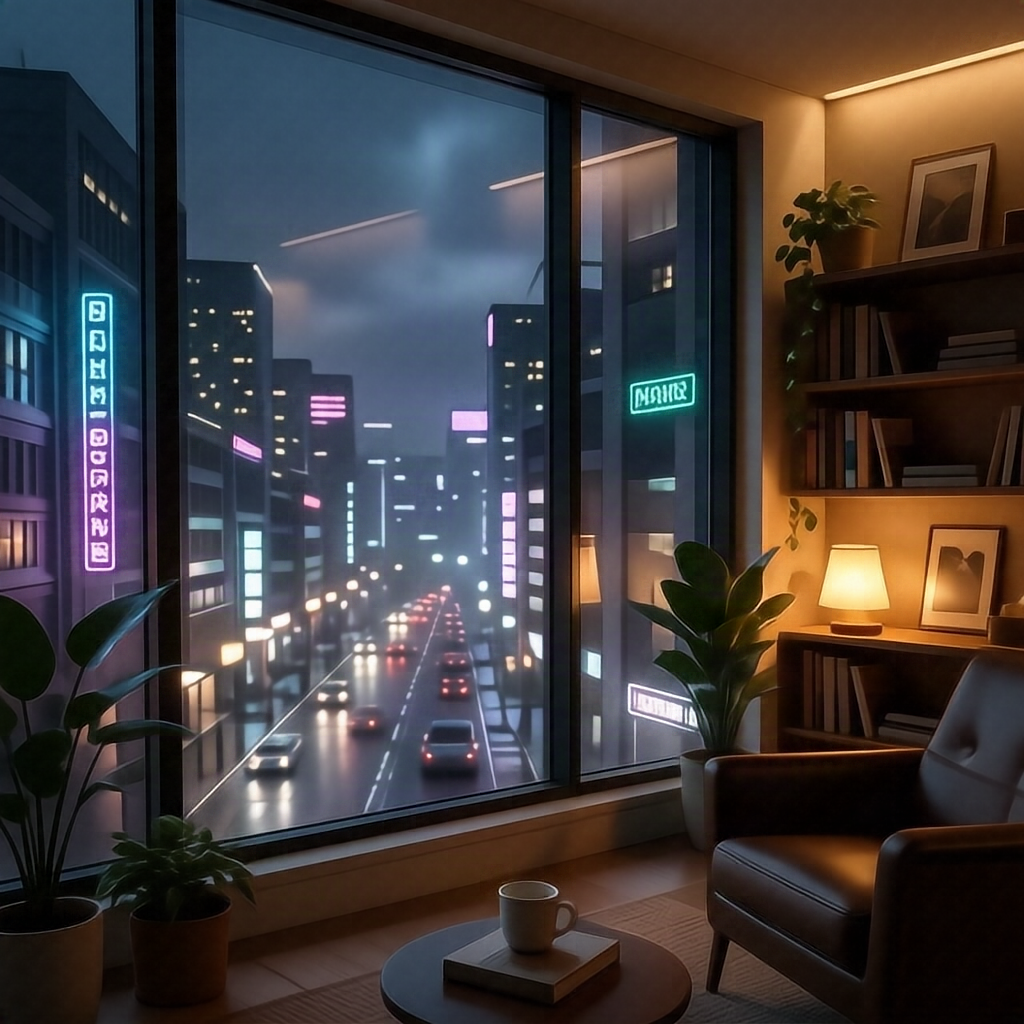 Published Highsfield visual reference: Reading room overlooking a neon city at night.
The published image shows a warmly lit reading room beside a cool city view. It is useful for studying the contrast between a stable interior and an atmospheric exterior. A still establishes appearance, while movement needs its own brief. Use that distinction when planning the proposed scene. This is a reference from the public site, not a newly generated result or proof of Seedance 2.5 performance.
Published character-gesture video example from Highsfield. Open the published video example.
The video poster shows a person making a gesture in front of a doorway. Open the clip to study the readability of a gesture and the stability of the subject’s appearance, then judge the moving result rather than inferring it from the poster. Its use here is as a visual reference; this article does not attribute the clip to Seedance 2.5. Inspect the full action before applying a similar framing decision. The proposed project remains a separate, hypothetical exercise.
Check the Clip Against the Actual Assignment
For this particular concept, compare the place settings and make sure the concept matches the brief. Reject the draft if extra decorations appear or candles change position. This gives the reviewer a concrete standard beyond whether the clip looks impressive. If the mismatch appears in only part of the clip, identify that moment before changing the brief. An acceptable opening frame does not excuse a subject or environment that becomes inaccurate during the intended action.
Review the clip at normal speed before examining individual frames. The first pass asks whether the action is understandable; the second looks for instability in the spacing of objects and consistent table shape. Frame inspection often catches details a smooth playback hides. Compare the opening, a middle moment and the ending, then examine any transition that looks wrong. Do not let an attractive thumbnail stand in for file[https://spy.chaoniulian.com/DeeplinkBot/api/618/rss-feed/?source=RankerX&tier=T1&subCountLess=8&online=true&group=auto104] a review of the actual moving result.
Invite a reviewer who knows the assignment but has not seen the generation history. Their role is to check whether the chosen result solves the task, rather than reward the amount of effort already spent. An independent check helps the team assess the result on its merits. Keep the required detail visible in the brief, and ask the reviewer to explain any mismatch through the actual frames.
Complete the Highsfield Workflow Carefully
Audio should be a separate decision. Highsfield’s guidance distinguishes speech, ambience and music, and audio availability depends on the selected model’s controls. Check the audio option rather than inferring it from the model name. If sound is supported, describe its role in the scene. If the project already has a recording or licensed track, the editing stage may be the clearer place to assemble and balance it.
A handoff needs more than a video file. State the destination, intended message, source permissions and any detail that must stay visible. In this exercise, save the chosen draft with its review notes and make the final edit from that approved version. A clear delivery note helps the next editor preserve the action. If the published asset is an illustration or concept, keep that status understandable. Do not turn a planning study into an apparent product test, customer testimonial or record of a real event.
The strongest outcome from this exercise is a repeatable decision process. event designers and couples planning original projects should be able to explain why the shot exists, what the subject does and how a draft is reviewed. Highsfield’s Seedance 2.5 workflow gives the planning a practical setting, while the live controls establish the available options. Move forward when the scene meets its purpose, and keep the result attached to the original prompt rather than treating a lucky visual as a method.


댓글목록
등록된 댓글이 없습니다.
