
Highsfield for Barbershop Videos: Preparing a Video Concept for Public…
페이지 정보
작성자 Jaqueline 작성일26-11-15 08:02 조회1회 댓글0건관련링크
본문
There is a difference between imagining a scene and explaining how that scene should unfold. Highsfield gives local personal-service businesses a place to study that difference through Seedance 2.5 workflow guidance and public examples. A hypothetical barbershop project makes the question concrete: the brief should develop a setting concept that feels welcoming. The scene needs a beginning and an observable change. Those choices help keep an experiment grounded when an attractive first result invites premature approval.


A Highsfield guide can help organize a creative brief, while the generator supplies current options for a particular model. Those roles are different. When planning a Seedance 2.5 concept, verify accepted inputs and settings before submitting any generation request. Public examples are useful for visual analysis, but their presence on a workflow page does not prove they share the same model, settings or source material as the clip you want to create.
Decide How the Finished Asset Will Be Used
Consider a fictional assignment for local personal-service businesses. Its purpose is to develop a setting concept that feels welcoming. The setting is an empty barber station with a clean mirror and chair, and the required visual detail is the chair outline and mirror reflections. Give the viewer one action to recognize before adding another. An empty-room concept avoids turning an invented face into an apparent customer endorsement. If the final post represents a real location, compare the furnishings and layout with approved photographs of that business.
A usable asset needs a clear destination, a reviewed scene and an editable message. Decide whether the project will use the clip as an illustration, a product concept or part of a larger story. That role determines what the viewer should be told. For this barbershop exercise, keep the purpose attached to the draft so the final presentation does not make an unsupported claim about a fictional scene.
A Seedance 2.5 Scene Brief to Evaluate
A proposed scene prompt could read: "Setting: an empty barber station with a clean mirror and chair. Action: A light moves subtly across the chair while the room remains still. Camera: a restrained forward move toward the station. Preserve the chair outline and mirror reflections. Keep the background stable and end with the subject still recognizable." This is an original planning example, not a tested generation record. Select only input and output options the current model actually supports.
Prioritize the nouns and verbs a reviewer can verify. The scene contains a particular subject, an environment and an action; it does not need a long list of borrowed film references to become specific. Explain the appearance directly rather than relying on a familiar franchise. For barbershop videos, preserve the chair outline and mirror reflections and file[https://spy.chaoniulian.com/DeeplinkBot/api/618/rss-feed/?source=RankerX&tier=T1&subCountLess=8&online=true&group=auto104] describe a light moves subtly across the chair while the room remains still. Those instructions make the creative intention understandable even to a teammate who did not write the prompt.
Leave room for verified text in the composition instead of asking a generated scene to carry precise promotional wording. The caption should not cover the chair outline and mirror reflections or conceal the intended action. Use the real caption to check whether the layout works. If the destination needs another shape, choose a supported framing option and inspect the crop. Do not assume an attractive full-frame draft will remain understandable after it is reformatted.
Study Published Images and Video Examples
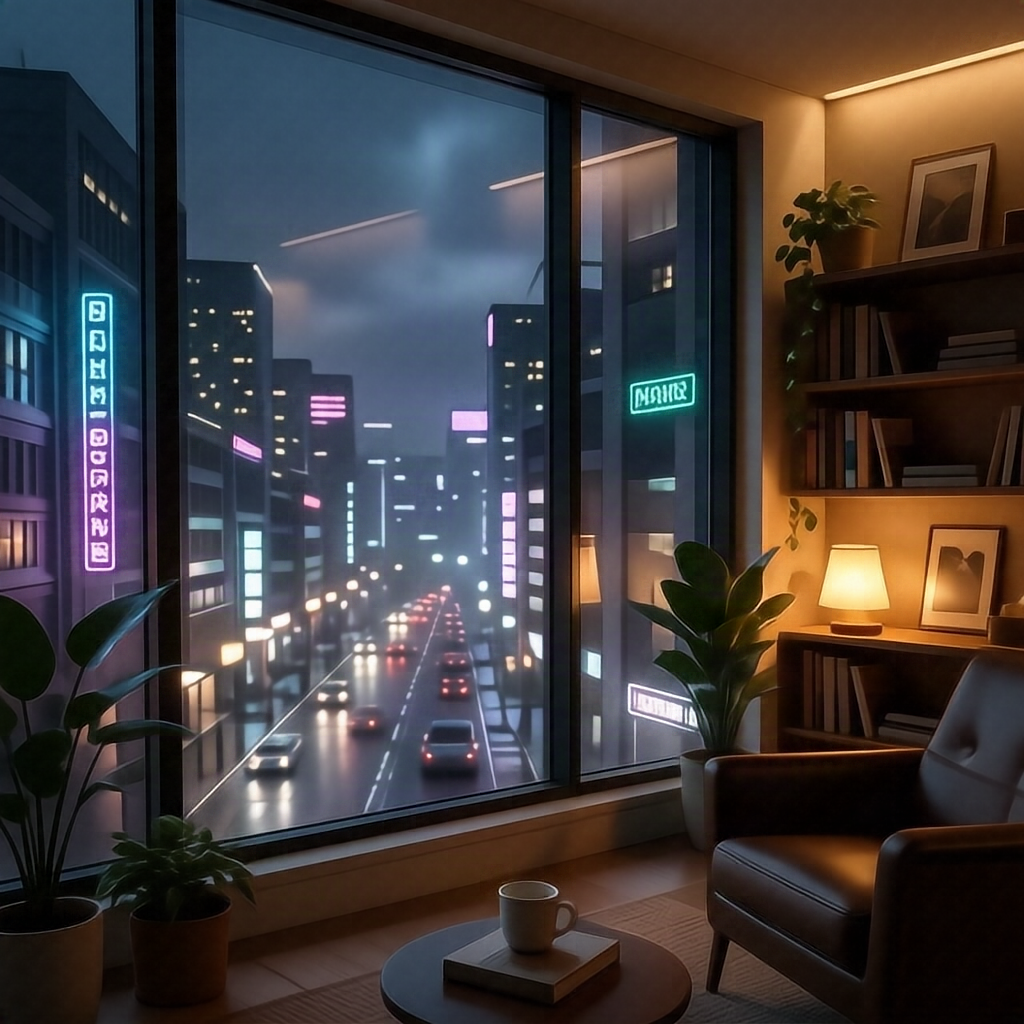 Published Highsfield visual reference: Reading room overlooking a neon city at night.
The published image shows a warmly lit reading room beside a cool city view. It is useful for studying the contrast between a stable interior and an atmospheric exterior. A still establishes appearance, while movement needs its own brief. Use that distinction when planning the proposed scene. This is a reference from the public site, not a newly generated result or proof of Seedance 2.5 performance.
Cinema Verite in 1970s Paris; published Seedance 2.0 example. Open the published video example.
The video poster shows a person beside a flower display. Open the clip to study the relationship between a subject, a setting and a restrained viewpoint, then judge the moving result rather than inferring it from the poster. This example is labeled Seedance 2.0 on the homepage, so it should not be presented as a Seedance 2.5 result. Inspect the full action before applying a similar framing decision. The proposed project remains a separate, hypothetical exercise.
Check the Clip Against the Actual Assignment
For this particular concept, inspect the reflected layout and all visible surfaces. Reject the draft if the mirror shows impossible reflections or an extra person. This gives the reviewer a concrete standard beyond whether the clip looks impressive. If the mismatch appears in only part of the clip, identify that moment before changing the brief. An acceptable opening frame does not excuse a subject or environment that becomes inaccurate during the intended action.
Review at the size where the final audience will see the work. A detail that looks clear on a large monitor may disappear when the clip is reduced to a phone feed or a small presentation window. The delivery size is part of the creative test. Check the chair outline and mirror reflections at that scale and make sure any later caption does not cover the action. A technical export size alone does not prove the scene is readable.
Perform a final review with the exact title, caption and placement the audience will see. Check whether the combination changes the meaning of the image or implies a claim that has not been verified. Review the assembled asset rather than approving isolated parts. For this scene, inspect the reflected layout and all visible surfaces. Also confirm that the key action remains readable when the text appears and when the video is viewed at its intended display size.
Take the Highsfield Draft Into the Final Edit
Audio should be a separate decision. Highsfield’s guidance distinguishes speech, ambience and music, and audio availability depends on the selected model’s controls. Do not assume a scene prompt automatically includes usable sound. If sound is supported, describe its role in the scene. If the project already has a recording or licensed track, the editing stage may be the clearer place to assemble and balance it.
The edit should serve the action the brief promised. Trim away an unnecessary lead-in, leave enough time for the chair outline and mirror reflections to register and add the verified caption separately. The finished sequence should have a clear reason to end. For this project, review the complete captioned asset at its destination size before making the publishing decision. Save the selected result with the approved copy so the person publishing it does not have to guess which version or message the reviewer accepted.
The practical standard is simple to state even when it takes several drafts to reach: the audience should see the intended action and recognize the required subject details. For barbershop videos, the chair outline and mirror reflections is part of that standard. Highsfield’s Seedance 2.5 workflow can inform the brief, with current availability verified in the generator. Give each new attempt a specific reason. That habit makes the experiment easier to review, hand off and revisit when the project develops further.


댓글목록
등록된 댓글이 없습니다.
