
Highsfield Train Window Concepts: From an AI Video Study to an Editabl…
페이지 정보
작성자 Kassie Ehrhart 작성일26-11-14 13:33 조회1회 댓글0건관련링크
본문
A short clip can leave a strong impression when its subject and movement agree. For travel video planners considering Highsfield, the Seedance 2.5 workflow is best approached through a brief with an observable goal. Take a fictional concept for train window concepts, designed to study a transition between an interior and a moving landscape. The concept works only if its intended action is clear. Rather than promising a particular generated result, this exercise explains what to ask for and how to decide whether a draft is usable.
Highsfield links its video workflow to prompt writing, permitted references and inspection of finished clips. Its Seedance 2.5 guidance does not make every gallery item proof of that model’s output. Read the example’s context before using it as evidence. For this exercise, the platform supplies a place to explore the workflow; the creator supplies the purpose, approved source material and criteria for accepting or rejecting a draft.
Design the Clip for Its Destination
Consider a fictional assignment for travel video planners. Its purpose is to study a transition between an interior and a moving landscape. The setting is a plain train compartment beside a large window, and the required visual detail is the window frame and reflected light. Give the viewer one action to recognize before adding another. Transport scenes ask the viewer to believe two spaces at once. Keeping the camera inside and the framing fixed makes it easier to see whether the outside movement and interior reflections remain compatible.
Define the message that will accompany the scene before asking for a visual draft. The concept aims to study a transition between an interior and a moving landscape, but the final copy may add details that the image alone cannot verify. Keep factual wording in a separately reviewable layer. This is a useful boundary for travel video planners: the clip can carry an atmosphere or a visible action, while the publishing workflow confirms names, dates, product details and other substantive information.
Translate the Idea Into a Seedance 2.5 Prompt
A proposed scene prompt could read: "Setting: a plain train compartment beside a large window. Action: The landscape moves outside while the seat stays still. Camera: a locked interior view. Preserve the window frame and reflected light. Keep the background stable and end with the subject still recognizable." This is an original planning example, not a tested generation record. Select only input and output options the current model actually supports.
%domain_as_name% write an article the action as an observable change. A phrase such as ‘the landscape moves outside while the seat stays still’ gives the clip a task; broad words such as premium or cinematic do not describe what happens. Follow that instruction with a locked interior view, then explain the setting. Let the action lead and use style to support it. If two instructions compete, remove the one that contributes less to the viewer’s understanding before asking the model to resolve the conflict.
Keep the proposed scene’s status clear when building the final post. A fictional concept can be useful, but it should not appear to document a customer, actual event or verified product performance. Use the final message to explain the visual’s actual role. For travel video planners, this is part of making the asset understandable. Match the clip to a truthful caption rather than using a polished image to imply evidence the project does not have.
Use Public References With Their Context Intact
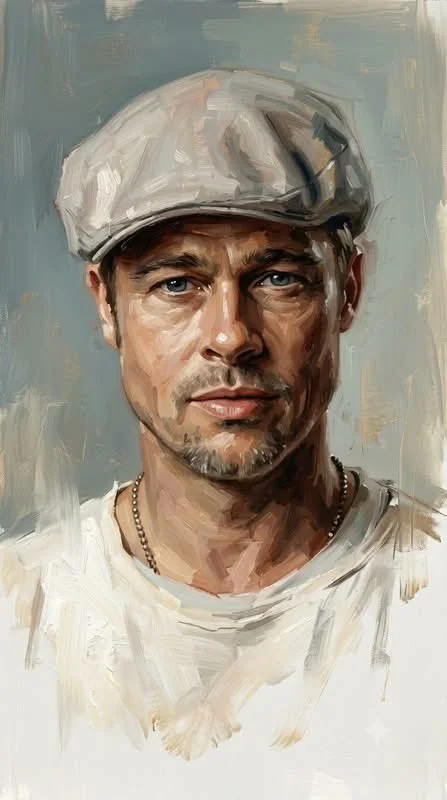 Published Highsfield visual reference: Expressive painted portrait with visible brushwork.
The published image shows a painted portrait with visible surface texture. It is useful for studying selecting a few appearance anchors instead of requesting an undefined overall look. A still establishes appearance, while movement needs its own brief. Use that distinction when planning the proposed scene. This is a reference from the public site, not a newly generated result or proof of Seedance 2.5 performance.
Published forest-environment video example from Highsfield. Open the published video example.
The video poster shows a dark forest scene with a small central focal area. Open the clip to study environmental depth and a clear route for the viewer’s attention, then judge the moving result rather than inferring it from the poster. Its use here is as a visual reference; this article does not attribute the clip to Seedance 2.5. Inspect the full action before applying a similar framing decision. The proposed project remains a separate, hypothetical exercise.
Check the Clip Against the Actual Assignment
For this particular concept, compare the interior anchors and exterior motion separately. Reject the draft if the frame bends or the exterior moves in conflicting directions. This gives the reviewer a concrete standard beyond whether the clip looks impressive. If the mismatch appears in only part of the clip, identify that moment before changing the brief. An acceptable opening frame does not excuse a subject or environment that becomes inaccurate during the intended action.
Watch the connection between the subject and its environment. Shadows, reflections, object contact and background perspective can expose an unstable scene even when the main movement looks convincing. In this example, compare the interior anchors and exterior motion separately. A consistent environment makes the action believable. If the intended use is a mood study, some stylization may be acceptable, but that choice should be deliberate rather than a way to overlook a defect.
Perform a final review with the exact title, caption and placement the audience will see. Check whether the combination changes the meaning of the image or implies a claim that has not been verified. The completed presentation is the real publishing unit. For this scene, compare the interior anchors and exterior motion separately. Also confirm that the key action remains readable when the text appears and when the video is viewed at its intended display size.
Take the Highsfield Draft Into the Final Edit
Audio should be a separate decision. Highsfield’s guidance distinguishes speech, ambience and music, and audio availability depends on the selected model’s controls. Check the audio option rather than inferring it from the model name. If sound is supported, describe its role in the scene. If the project already has a recording or licensed track, the editing stage may be the clearer place to assemble and balance it.
After selecting a draft, view it with the intended caption and destination layout. The surrounding message can change what the visual appears to claim. Review the complete presentation rather than the clip in isolation. For train window concepts, review the complete captioned asset at its destination size before making the publishing decision. Keep the source and approval notes together so a later teammate can make a correction without repeating the entire creative exercise or inventing the meaning of an unfamiliar file.

The practical standard is simple to state even when it takes several drafts to reach: the audience should see the intended action and recognize the required subject details. For train window concepts, the window frame and reflected light is part of that standard. Highsfield’s Seedance 2.5 workflow can inform the brief, with current availability verified in the generator. Give each new attempt a specific reason. That habit makes the experiment easier to review, hand off and revisit when the project develops further.


댓글목록
등록된 댓글이 없습니다.
