
Highsfield for Train Window Concepts: Reviewing and Refining a Video C…
페이지 정보
작성자 Jayden Marks 작성일26-11-14 02:14 조회1회 댓글0건관련링크
본문

A viewer should be able to understand a short visual idea without decoding the creator’s prompt. That is a useful way for travel video planners to approach Highsfield and its Seedance 2.5 workflow. In a hypothetical project about train window concepts, the aim is to study a transition between an interior and a moving landscape. A small action can give the scene its structure. The creative challenge is deciding what belongs in the frame and which details need to stay unchanged as the clip develops.
The public Highsfield workflow includes writing a scene, reviewing supported model settings and inspecting a completed result before download or sharing. That sequence is more useful than assuming a name alone defines the output. For Seedance 2.5, check the current controls at the time of use. The examples discussed below remain published reference material, and the proposed scene remains a hypothetical planning exercise rather than a record of a tested job.
Set a Standard a Draft Can Fail
Consider a fictional assignment for travel video planners. Its purpose is to study a transition between an interior and a moving landscape. The setting is a plain train compartment beside a large window, and the required visual detail is the window frame and reflected light. Give the viewer one action to recognize before adding another. Transport scenes ask the viewer to believe two spaces at once. Keeping the camera inside and the framing fixed makes it easier to see whether the outside movement and interior reflections remain compatible.
Before generating a draft, write a short description of an acceptable result. It should preserve the window frame and reflected light and make the action understandable without extra explanation. A practical standard can be checked against the moving result. This turns review into a comparison rather than a debate about how impressive the output feels. The most attractive frame is only one part of that comparison; the whole action needs to survive playback.
Translate the Idea Into a Seedance 2.5 Prompt
A proposed scene prompt could read: "Setting: a plain train compartment beside a large window. Action: The landscape moves outside while the seat stays still. Camera: a locked interior view. Preserve the window frame and reflected light. Keep the background stable and end with the subject still recognizable." This proposed prompt illustrates the assignment; it does not document a completed job. Select only input and output options the current model actually supports.
Give the camera an intelligible relationship to the subject. With a locked interior view, the viewer should be able to follow the detail that matters: the window frame and reflected light. Avoid requesting a zoom, orbit and tracking move in the same small scene unless there is a clear reason for each. One coherent viewpoint makes the result easier to assess. You can introduce a second angle later, after the first shot has established what the scene is about.
Record a small number of draft comparisons that answer specific questions. One might test a simpler action; another might test a more stable viewpoint. Keep unrelated settings unchanged when possible. A controlled revision makes the result easier to interpret. In this scene, file[https://spy.chaoniulian.com/DeeplinkBot/api/618/rss-feed/?source=RankerX&tier=T1&subCountLess=8&online=true&group=auto104] observe what happens to the window frame and reflected light. A better-looking result is useful evidence only when the reviewer can explain which production requirement it satisfies more convincingly than the previous draft.
Study Published Images and Video Examples
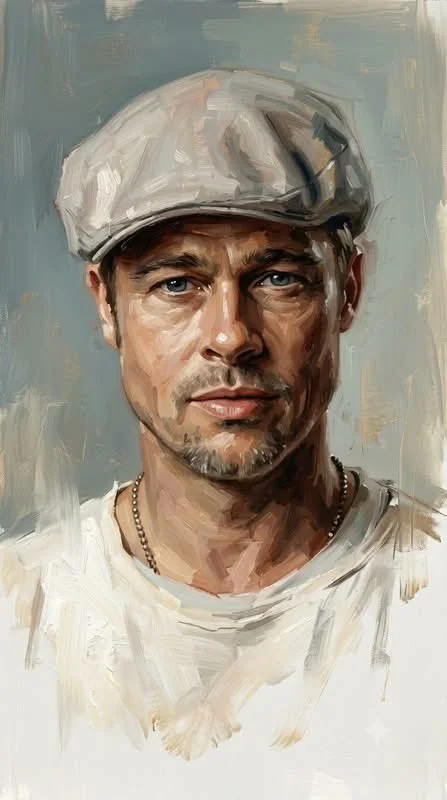 Published Highsfield visual reference: Expressive painted portrait with visible brushwork.
The published image shows a painted portrait with visible surface texture. It is useful for studying selecting a few appearance anchors instead of requesting an undefined overall look. A still establishes appearance, while movement needs its own brief. Use that distinction when planning the proposed scene. This is a reference from the public site, not a newly generated result or proof of Seedance 2.5 performance.
Published airplane-interior video example from Highsfield. Open the published video example.
The video poster shows a person seated beside an airplane window. Open the clip to study the relationship between an interior anchor and the view outside, then judge the moving result rather than inferring it from the poster. Its use here is as a visual reference; this article does not attribute the clip to Seedance 2.5. Inspect the full action before applying a similar framing decision. The proposed project remains a separate, hypothetical exercise.
Review the Action and Required Details
For this particular concept, compare the interior anchors and exterior motion separately. Reject the draft if the frame bends or the exterior moves in conflicting directions. This gives the reviewer a concrete standard beyond whether the clip looks impressive. If the mismatch appears in only part of the clip, identify that moment before changing the brief. An acceptable opening frame does not excuse a subject or environment that becomes inaccurate during the intended action.
A reviewer should be able to explain a rejection in visible terms. ‘The scene feels off’ is less useful than identifying a change in the window frame and reflected light or a break in the intended action. Write down where the problem first becomes visible. The next attempt can then target a specific instruction, while the parts that already work stay intact. Keep the rejected draft as a reference rather than relying on recollection.
Judge a revised result against the same criteria used for the previous one. Changing the standard to favor a new draft makes the comparison less useful. Here, compare the interior anchors and exterior motion separately. Keep the acceptance rule consistent across attempts. If the clip now meets that requirement, inspect the rest of the scene for new problems before moving into editing. A correction can introduce a different error even when the originally targeted defect has disappeared.
Take the Highsfield Draft Into the Final Edit
Keep the request settings beside the prompt when evaluating a result. Duration, aspect ratio, resolution and audio options can affect the assignment, and their available values depend on the selected workflow. Let the current interface define the selectable options. If you change the destination of the clip, revisit the framing before generating another version. A crop that removes the key action is a production problem even when the file itself downloads correctly.
Download the selected result through the completed-job workflow available in Highsfield, then check the file in the editor you intend to use. Preserve its original prompt and the reference context. The saved file still needs a final production check. In this fictional assignment, save the chosen draft with its review notes and make the final edit from that approved version. Verify that captions, crop and playback support the original purpose before the clip is placed beside promotional wording or shared as part of a larger story.
The strongest outcome from this exercise is a repeatable decision process. travel video planners should be able to explain why the shot exists, what the subject does and how a draft is reviewed. Highsfield’s Seedance 2.5 workflow gives the planning a practical setting, while the live controls establish the available options. Advance the draft when its action and details satisfy the brief, and keep the result attached to the original prompt rather than treating a lucky visual as a method.



댓글목록
등록된 댓글이 없습니다.
